The Birds And The Bees
Spring is in the air. The temperature is rising, the birds are singing and the bees are …
“A bee is dying! A bee is dying!” My seven year-old ran in the house in a state of panic. Confused I asked if he could show me what he was talking about. I followed him back outside where we saw this: (Cue porn music now.)
If the bees are a buzzing don’t come a knocking! Well, we knocked or really we pulled out the camera and recorded them, which of course interrupted their special moment. And sorry for the scream.
I explained they were not bees, but actually wasps. That really scared Azul. Then that there were two of them and they weren’t dying but mating. That news terrified him.
Once he removed his hand from his mouth, which had covered it as if he had said something wrong, still wide-eyed, he finally mustered up a reply.
“That’s the most discussing thing I’ve ever seen!”
Ah, Spring.
Do You See What I See?
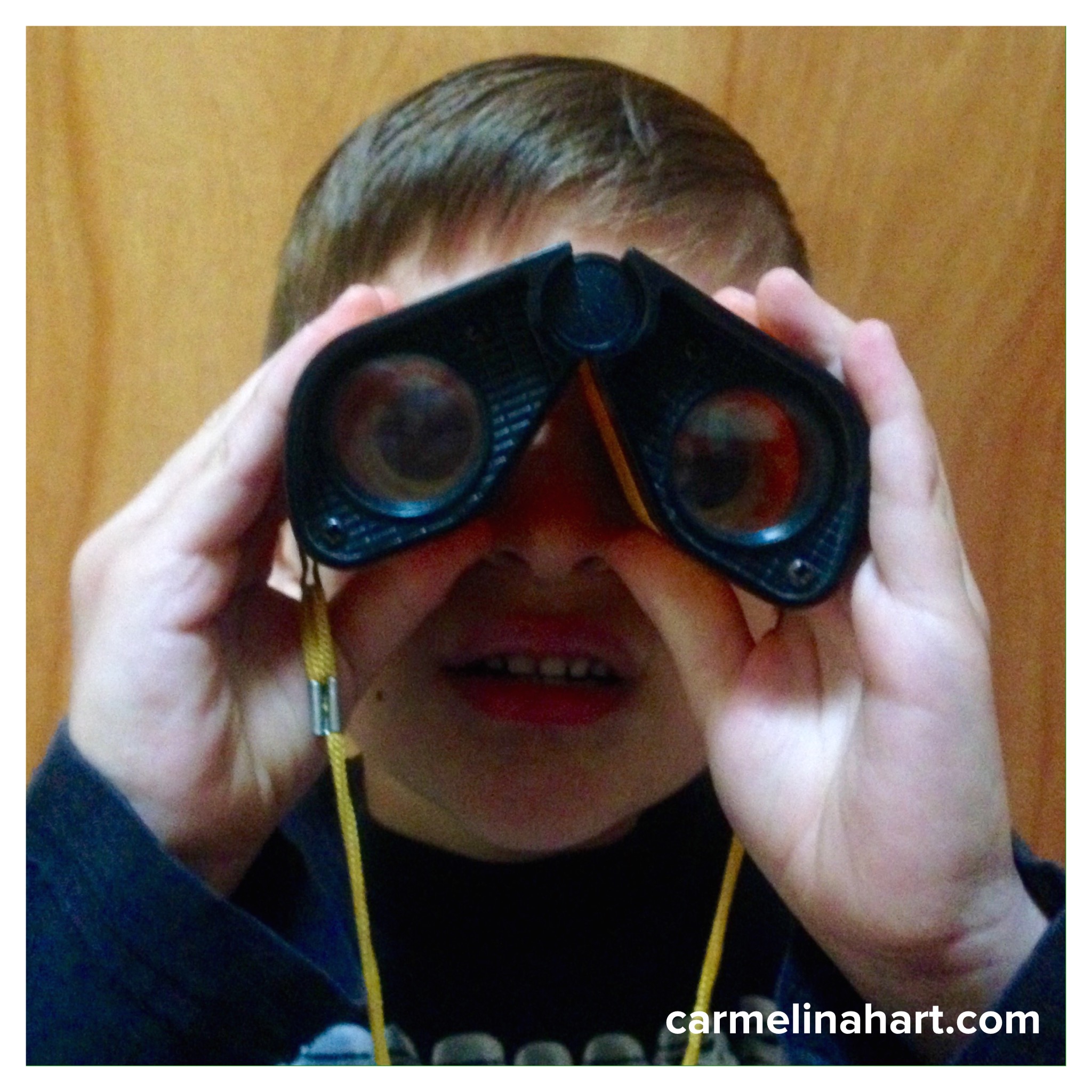
“Have you ever had a Peeping Tom?” was the question asked by my curious and concerned seven year-old. A question I was prepared to answer, considering our recent conversations.
Okay, now, I’ll answer the question, “Why were Peeping Toms in your recent conversations?”
There are two, the first being Diary of a Wimpy Kid, a series which Azul has independently read through in the course of a couple of weeks, and the simultaneous playing of those movies in my house. Second, we also just watched the 80s’ classic Back to the Future, where Azul was relieved the “old” movie was in color. Both stories include peeping in the storyline. I know, kids’ movies these days!
After a thorough investigation (I Googled it.) into the origin of the term “Peeping Tom” and the following discussion of Lady Godiva, riding horses naked and the loss of sight or death due to seeing someone in the nude, I reassured him, “Toms” were not looking through our windows. That is when the original question surfaced.
“Have you ever had a Peeping Tom?”
With a shrug and lack of worry, I answered, “Not that I know of.”
“Well, there are some pretty desperate men out there, that will go for anything!”
After the laughter subsided, stripped of all my self-esteem, I replied, “I’ll keep my eye out for them.”
See Dick Run
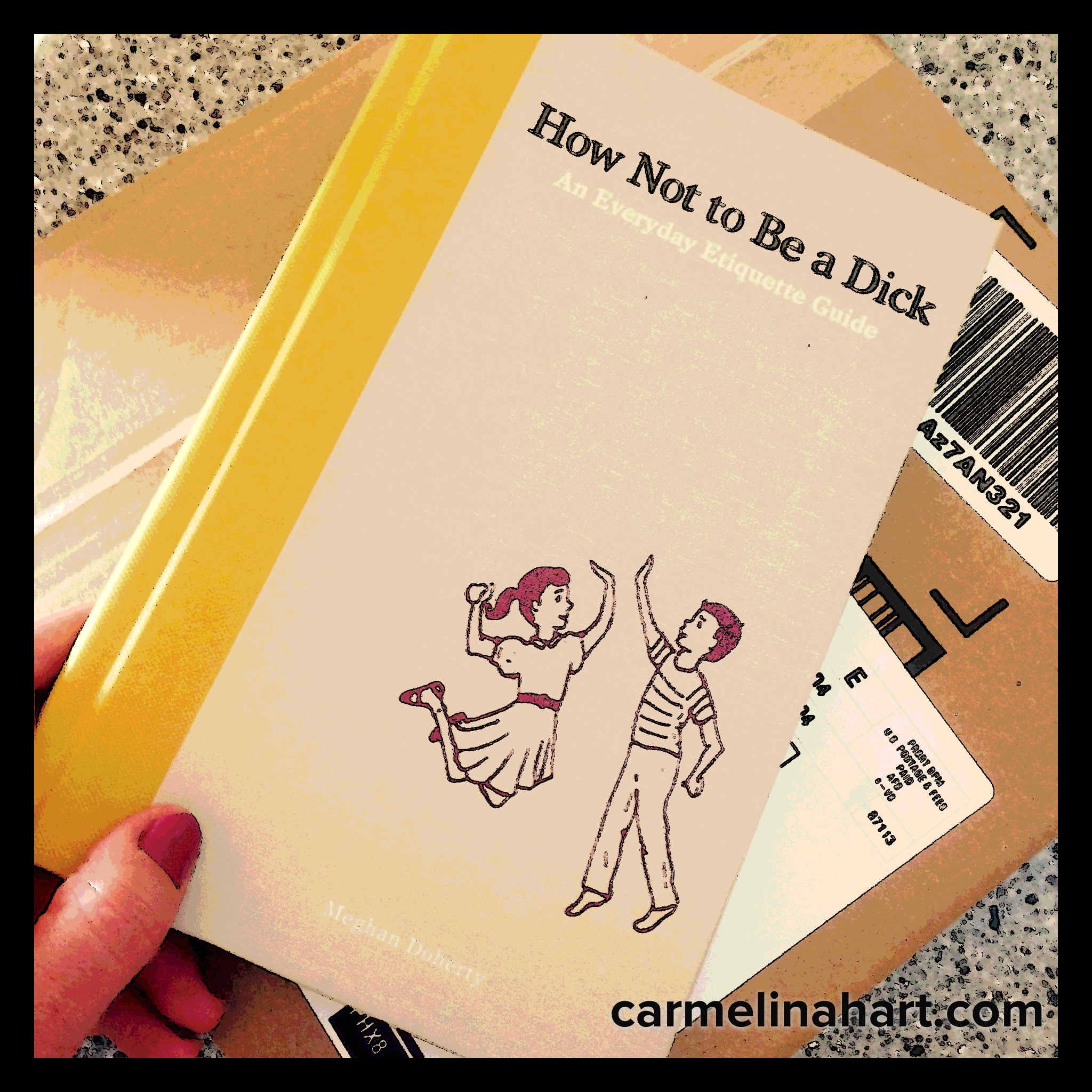
Over the years, I have put a lot of effort into explaining, to the point of exhaustion, the meanings of and reasons behind the existence of almost everything, to my now seven year-old son. Kids are like little sponges, and their curiosity for understanding is so super cool, that I try my best to answer Azul’s questions as completely as possible; and if I don’t have a reply, I take the time for us to look it up together. Any topic can be put forth and jointly we have talked about subjects like death, religion, Star Wars and even what it means to be a dick.
The latter topic came up because I recently ordered the book, How Not To Be A Dick. In addition to all the talking we do, we also read constantly and the book was in a stack of mail on the kitchen counter.
Azul must have reflected on the book title for a few days, because he didn’t immediately ask, “What is this, How Not To Be A Dick book about?”
At this point I have had plenty of experience in expounding, so I jumped right in.
“It’s a book on etiquette, but it’s also a reflection of the comedic value of common sense. There are a few things that come into play to make it funny and the first is the title. There is a classic kids book called Dick and Jane which was used to teach good behavior. Good behavior is also called etiquette. In addition, Dick is the little boy’s name in the story and Dick is a nickname for Richard. So many Richards use the shorter version, Dick. But, dick can also be a bad word because dick is slang for penis, so if you call someone a dick you’re actually calling them a penis. Which is not very nice and you shouldn’t call people names, especially a penis, because that’s just weird. But, that’s why it’s humorous, you can read the title in a couple of ways, as not to be a Dick as in, the little boy Richard in the story book, or not to be a dick as in, a penis.”
I could have kept going if I weren’t loudly interrupted with, “Can you stop talking now?!”
I’m not sure if that was a question or a request, or maybe an emphatic statement, but I do know who needs to read this book next.
 Carmelina Hart